A modern spa has long ceased to be just a set of procedures. It has become a space of recovery where wellness, relaxation and body therapy combine into one seamless experience. Not only treatment and massage are important here, but also how a person enters into silence, how he exhales, and how he regains a sense of support. One day can be short. But the feeling of serenity sometimes lasts longer than it seems.
Rituals Of Heat And Water: How Relaxation Starts
The first thing that changes the state is the environment. Thermal facilities work like a soft switch: sauna warms up and releases muscles, steam room opens up breathing,jacuzzi relieves residual tension, and hydrotherapy pool supports the body as if it can finally “lie down” in the water and not hold on. In many spa areas, these elements are assembled into a logical chain, rather than a disjointed list.
That is why ritual and multi-stage formats are so common: warm-up, cleansing, basic therapy, then a quiet pause. This route helps not only to relax, but also to support circulation and lymphatic drainage. Hence the steady feeling of lightness. Not instantaneous, not abrupt. Rather, it’s natural.
Time plays a role. Standard procedure formats usually take 60, 90, or 120 minutes, and these figures are as important in the spa world as the techniques themselves. In an hour, the body just starts to let go. In ninety minutes, depth appears. Over a hundred and twenty, that feeling comes when there are fewer thoughts.
The Body As A Map: Massage, Grooming, And Precise Stress Management
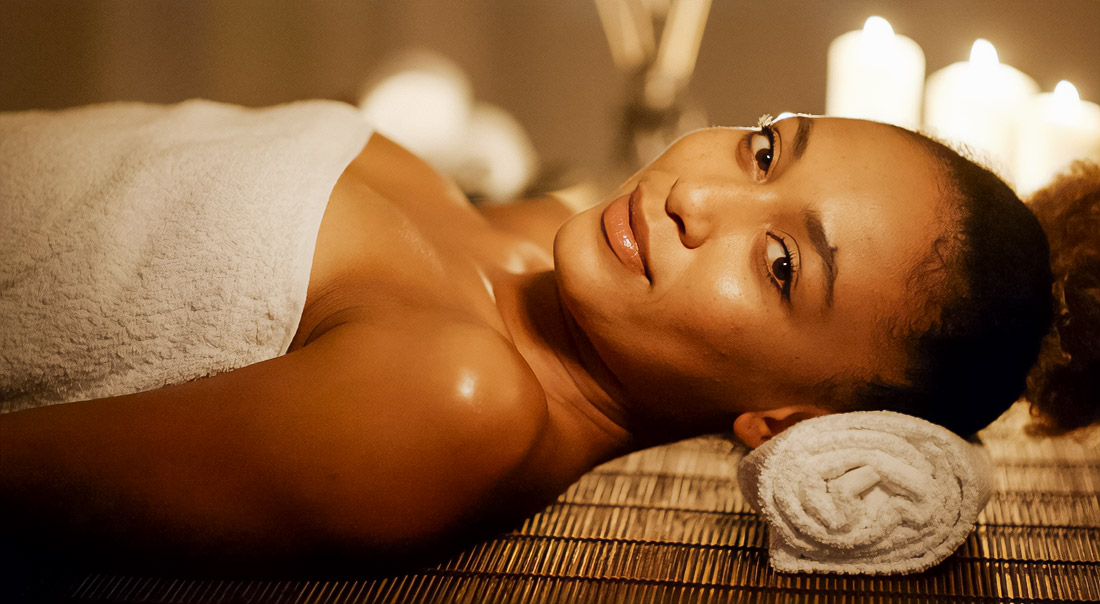
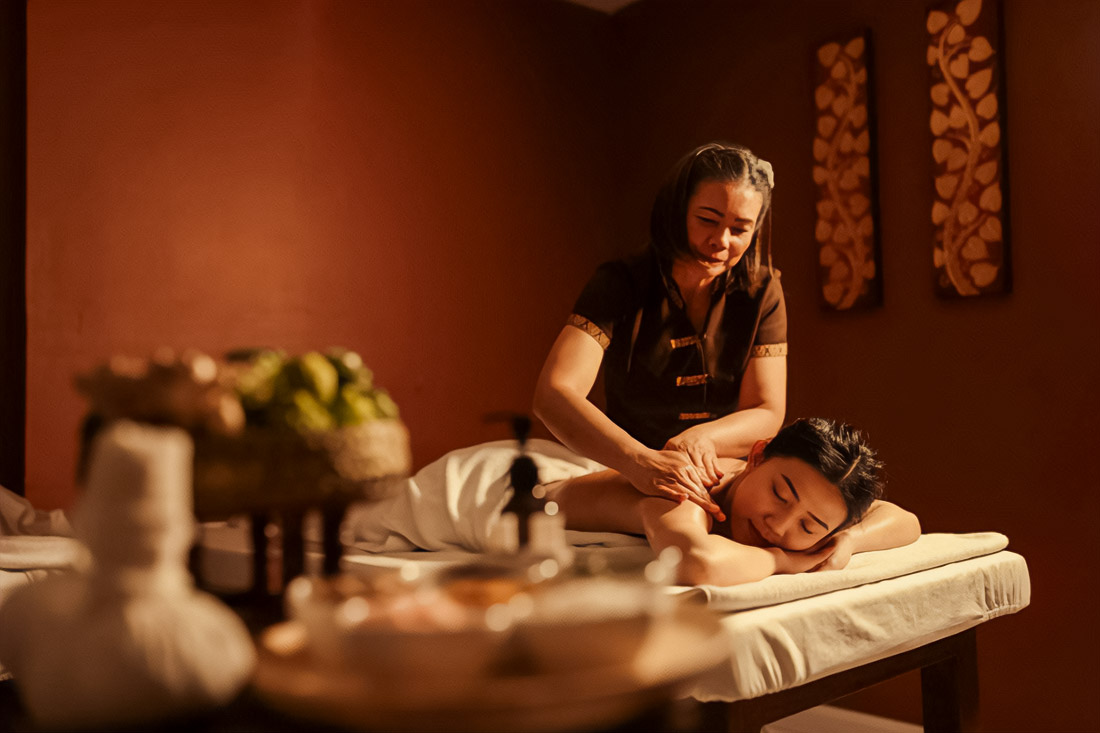
Massage is almost always at the center of the spa experience. It can be general, like afull body massage, or more accurate when attention is focused on the neck, shoulders, back, and legs. But the point is the same: to restore mobility and silence to the body inside. Sometimes it looks simple. In fact, it’s a delicate job.
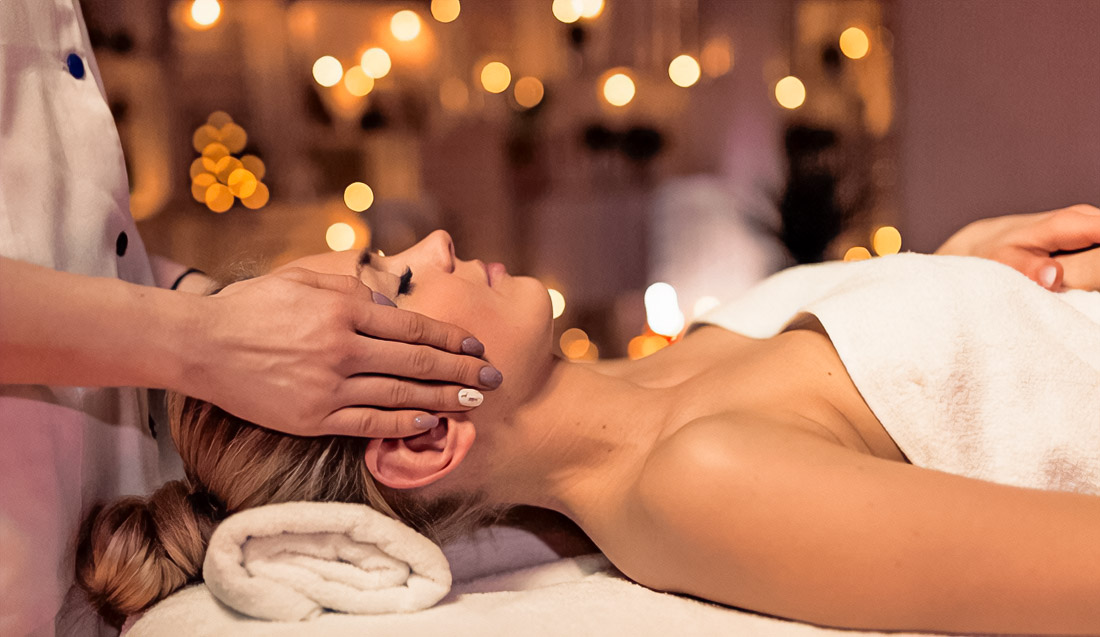
Massage is often complemented by body scrub, grooming steps, and warming-up elements. It turns out to be a bundle: the skin is cleansed, the tissues become softer, the body perceives touch more easily. Then facial and other body treatments may appear not for the sake of “beauty as a goal”, but for the sake of feeling well-groomed and restored tone. In such formats, rejuvenation is perceived not as a promise, but as an understandable result: the face is calmer, the breathing is smoother, the shoulders are lower.
Sometimes there are long programs: hours-long, and sometimes daytime ones. And this is no longer a “go for a procedure”, but a full-fledged wellness journey. With pauses. With water. Welcome to the relaxation lounge. With the feeling that the rush was left outside.
Privacy And The Architecture Of Silence: Why Privacy Is Important
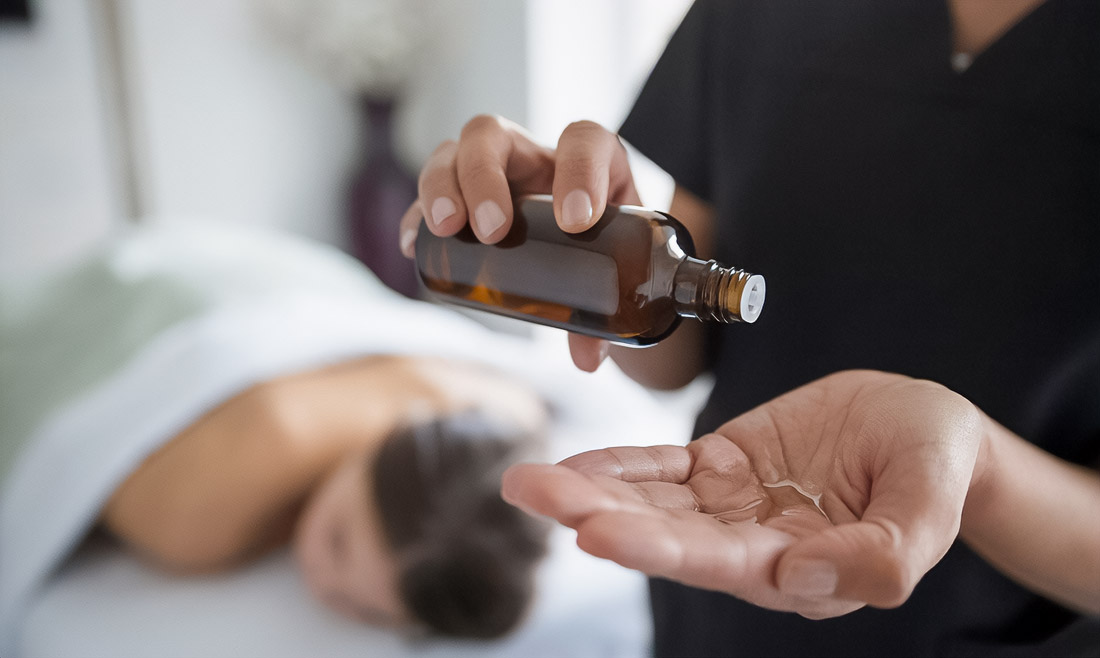
Spa is increasingly built around privacy. This is noticeable in the details: private suite, separate areas, soft light, calm corridors, places where you don’t want to talk loudly. Silence becomes a part of therapy. And it works.
Spaces come in different scales. The material contains areas from 1,100 to 5,000+ square meters, and it is not easy to impress with a figure. The scale is needed to separate the streams, give air, and create real pauses. There is also a variation in the number of rooms: from 7 to 40+. The more rooms there are, the higher the chance that the rhythm will be smoother and the waiting will be minimal.
A separate line is long-term recovery programs. The text mentions formats for 3, 5 or 7 days, designed for sleep, stress, detox, balance and general condition. In such programs, the holistic approach is felt especially clearly: the body is not “repaired”, it is restored to stability. And that’s probably the main idea.
Spa today is not about luxury for the sake of luxury. It’s about wellbeing, about self-attention, about careful recovery. It’s about coming out not “refreshed”, but alive. And calm.
Hiking addict, traveler, band member, Vignelli fan and independent Art Director. Working at the sweet spot between design and mathematics to save the world from bad design. Nothing ventured, nothing gained.